For hundreds of years, racial oppression has starved individuals of their identity and opportunities all over the world. From education to jobs, to basic human needs and necessities, African Americans have always been seen as inferior in society.
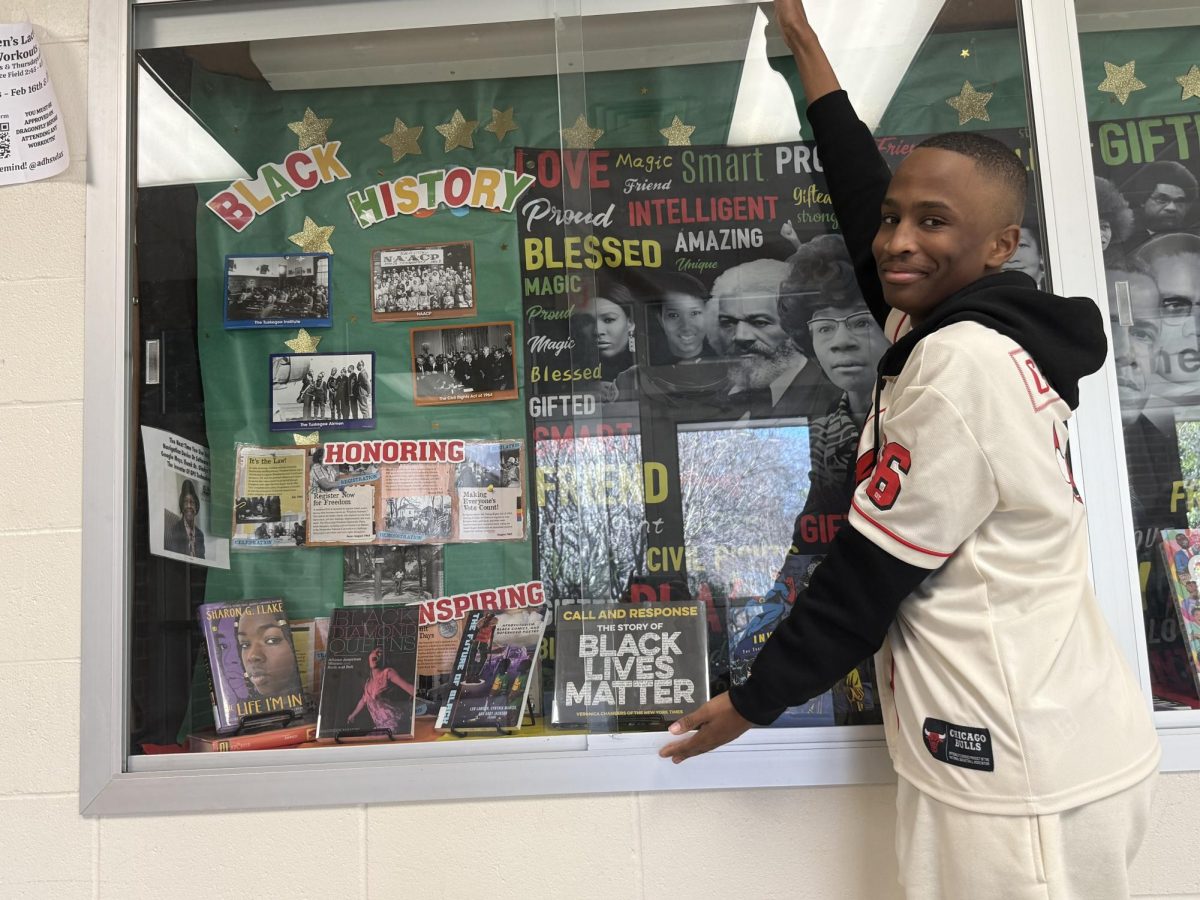
During the month of February, however, 28 days of dedication and pride are awarded for centuries of struggles. For 28 days, we are faced with a reflection of the past and how it now continues to shape and impact the present.
One crucial historical figure who allowed for the wide acceptance of racial diversity we have today is Dr. Martin Luther King Jr. With King’s famous “I Have a Dream” speech, as well as various other speeches, he showed that revolution and change can be made without violence. He showed the public, through his strategic, poetic approach, the immoralities of racism, and with this, he shifted the perspectives of over 250,000 people in just 17 minutes.
This nonviolent resistance to the injustice of American policies stands today as one of the most powerful and influential speech pieces in American history. It goes to show that one person can make a difference when choosing justice over comfort, and taking the step to use their voice to challenge a nation to change is what gets us there.
“Our words have more power than our fists. All it takes is one voice, all it takes is courage. So when one person has courage, others tend to come out as well,” said Tyneka Howard, admin intern at Athens Drive.
Howard, too, believes that making a change in the world does not equate to violence. She believes that one person can make a change, and once the world sees the value in that change, others will follow.
Although segregation policies and various other laws regarding civil rights were abolished, racism is still very much an issue today; however, the signs are a lot more subtle.
“Racism specifically in schools and amongst your peers I feel like is the most common, and it’s heavily overlooked because people like to talk it down and say that’s just how high schoolers are, when its not– people just don’t want to face it for what it is and it’s brushed under the rug,” said Elijah Hoskins, senior at Athens Drive.
Society needs to acknowledge that casual racism is not just a “joke”, and although it may be treated as one today, it’s important to note and understand its past and what it meant to people just 60 years ago.
“You can see little things creeping up as far as when you see it in social media, you can see it in business, you can see it all around, even though it was abolished. There are still people under that mindset, it’s not as often, but it’s still there, lingering effects are still there,” said Howard.
Despite the beliefs of many, intentional and unintentional racism still affects African American citizens, whether this be in the workplace, public spaces, or even relationships. Moreover, the people who cause and allow this to happen are still in a headspace where racism flourishes, the same headspace that occupied hundreds of millions of Americans in the fifties and sixties.
African Americans still face real racism today, daily, and it’s important to understand that though Black History Month is a great month of celebration for people of color, they should be having equal amounts of celebration year-round. They should be recognized and praised for their achievements all year, and not strictly for a month that was labeled only 50 years ago, when adversities regarding civil rights for people of color still very much exist today.
“I think it’s important to know that no matter how hard whoever tries to make other people feel ashamed for being a minority or being a person of color or being black period that its okay to feel a sense of pride and know that you may not look like the other person or the person next to you and that’s okay,” said Hoskins.