

A History of Evolution
The sport’s history is a surprise to many. Founded by men—specifically Johnny Campbell at the University of Minnesota in 1898—women didn’t enter the sport in large numbers until World War II. They eventually evolved the sport into the complex tumbling and pyramids seen today. All-Star cheer branched off in the 1980s, leading to the creation of the US All-Star Federation (USASF). Today, over three million athletes participate in the U.S. alone.
All-Star Cheer vs. Sideline Cheer
All-Star and Sideline cheer represent two distinct worlds, each offering unique levels of competition, commitment, and intensity.
Both versions of this highly demanding sport involve competition and strong camaraderie between teammates and opponents. Many athletes compete in both All-Star and Sideline cheer.
“All-Star cheer is more of a competitive environment. There are more lights and audience, and the teams at the competitions are so welcoming and kind,” said freshman Sophia Agro, who competes for both the Apex High Varsity team and Inspire Athletics.
Athletes say the differences go beyond just where they perform. Many say All-Star places a stronger emphasis on advanced skills and competition, while school cheer prioritizes supporting their sports and building team spirit.
“School cheer was less challenging, and honestly, I felt like school cheer was more about politics than actually being athletic,” said mental and athletic development coach, Katlynn Lecei.
This difference in perspective highlights a larger divide within the cheer world. Many athletes feel sideline cheer doesn’t fully push their physical limits, unlike All-Star, which is faster-paced with a higher demand.
Inspire Athletics Coach, Zac ‘Ziggy’ Herd prefers All-Star over sideline because it’s “more challenging and more my speed, quicker, higher demand,” said Herd.
Shattering the Myths
Many people underestimate cheerleading because they don’t fully understand what it involves. It is widely believed that cheerleaders do not work hard and exist solely to cheer on sports teams.
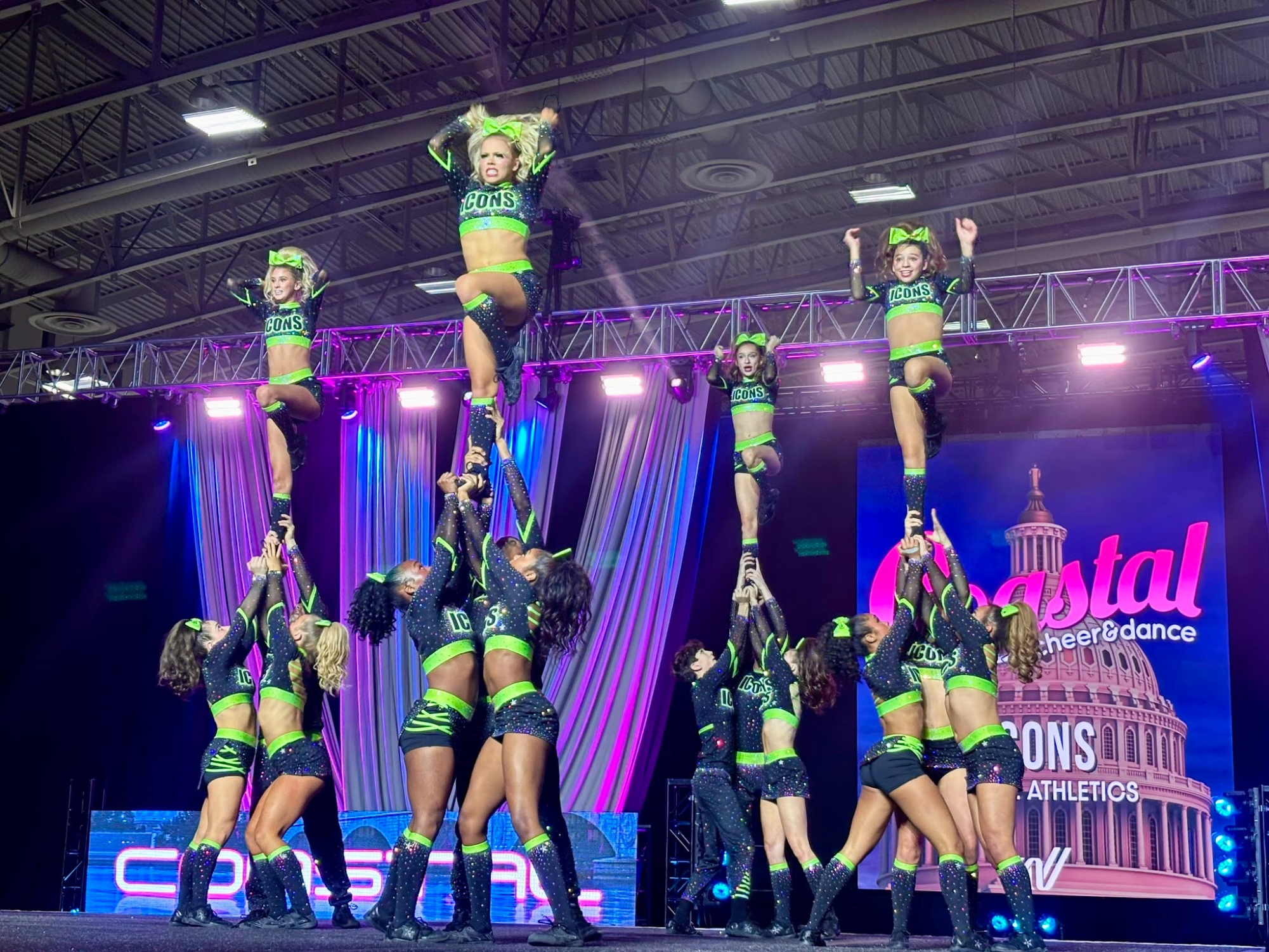
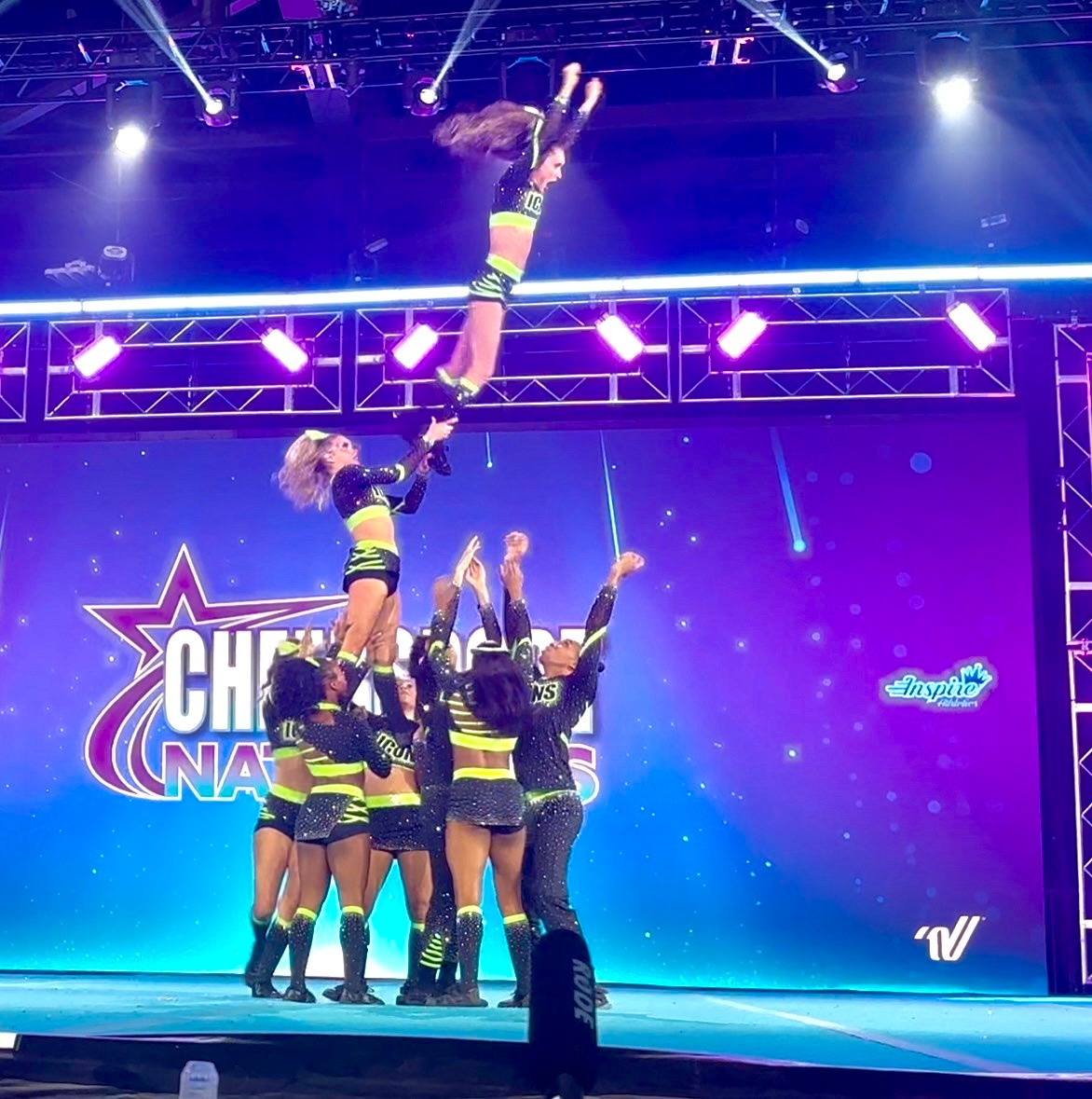
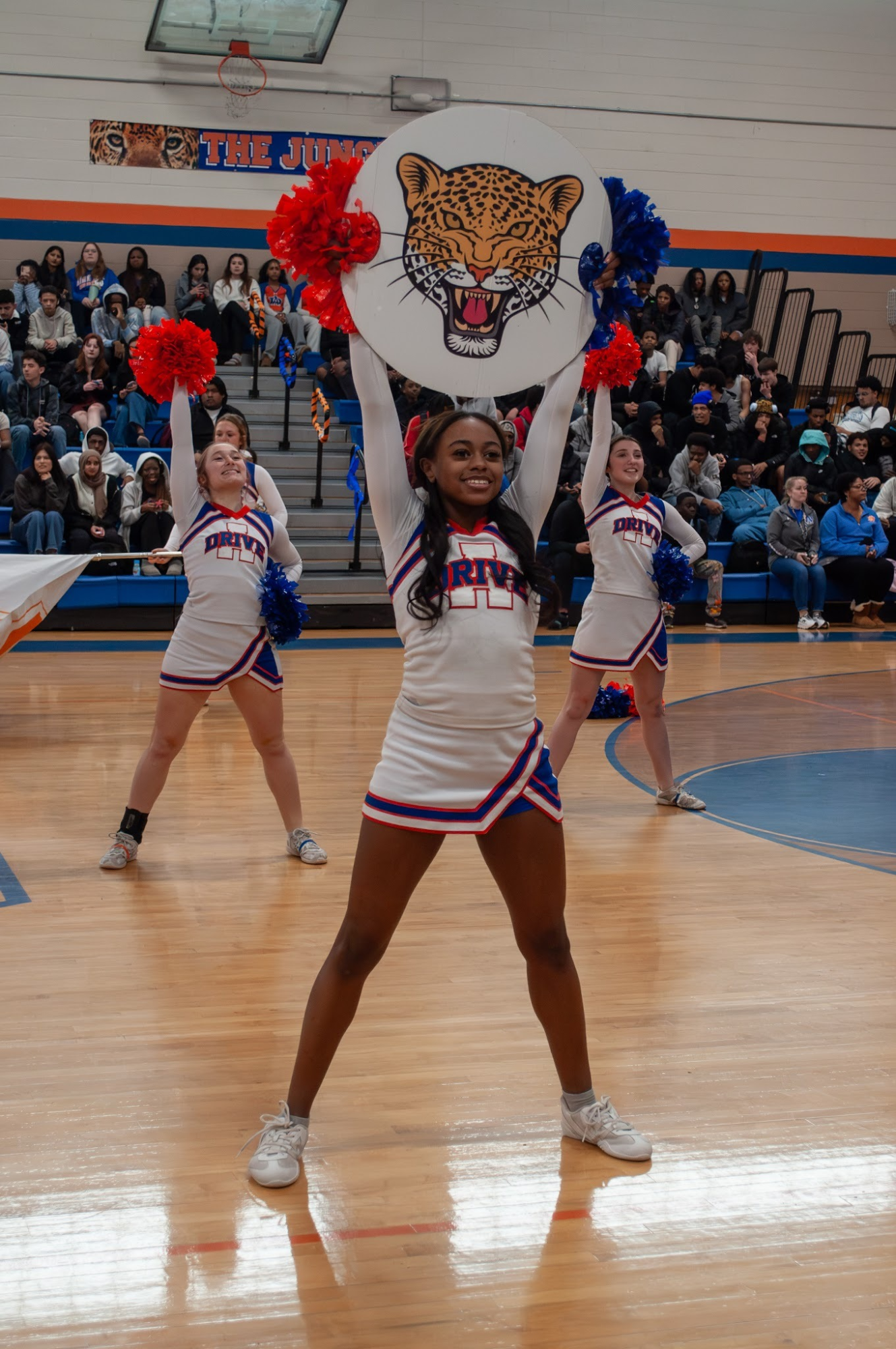
“Stunting is a lot more challenging than a lot of people realize,” said sophomore Athens Drive Cheerleader, Savannah Cruz, “you are literally lifting a person in the air.”
This level of difficulty requires not only strength but also precise timing and constant communication between teammates.
“Cheer is not a sport – like I’m sorry what? Right, because flipping, going full-out, catching humans mid-air, and not dying on a spring floor is just a casual hobby,” said Lecei.
Senior Libby O’Leary has been the Athens Drive Varsity cheer captain for two years and believes in leading by example. She notes that many people still view cheerleaders as “pretty faces on the sidelines” or are portrayed as “mean girls” in the media.
Discipline
Cheerleading requires strength, not just physically, but emotionally and mentally as well. The sport requires a high level of discipline to maintain consistency under the intense pressure of a live performance.
“Progress comes from showing up every day, especially when things aren’t going well,” said Lecei.
Trust is also essential in this team sport where athletes rely on one another.
“You’re only as strong as your weakest teammate,” said O’Leary.
Being a cheer athlete requires more participation and commitment than some may think.
“If you want to be the best, it takes more than just what you’re gonna do at practice,” said Herd.
Cheerleading is more than just a sport—it becomes a close-knit community.
“You always have to be ready at all times, and you have so many people depending on you,” said sophomore Julieta Munoz, a friend of athletes in the sport.
(Photos by Giana Cheeseman)
The Mental Game: Blocks and Resilience
In addition to discipline, athletes must overcome mental challenges such as fear, injuries and performance pressure. Building up that mental toughness helps them stay focused and calm, even when the pressure is on or things go wrong.
“There’s tumbling mental blocks, injuries, and it takes that discipline to say, ‘no matter what my 100% looks like today, I’m gonna give that 100%’,” said O’Leary.
Many athletes have experienced these struggles firsthand.
“One day, I woke up, and I was like, ‘I don’t even know how to jump in the air.’ It’s crazy how much your mind can dictate what your body does,” said O’Leary.
“It’s hard to be nice to yourself during that and realize this is okay,” said Cruz.
Lecei has had many encounters with mental blocks and injuries in her athletes. This can happen to many cheerleaders due to the high level of physical demand, repetition, and pressure involved in the sport.
“Cheerleading demands focus, resilience, and confidence under pressure,” said Lecei.
It takes a certain kind of athlete to be able to push through these occurrences and know that it is okay to struggle.
“You have to be very strong-willed, and you have to have tough skin, because it is a debate whether cheer is a sport,” said Munoz.
Building on Munoz’s point about needing tough skin to handle criticism, Agro emphasized the inner qualities athletes must develop to succeed.
“You have to have determination, grit, teamwork and be able to take constructive criticism,” said Agro.
From a Coach’s Perspective
Behind the scenes, passionate coaches shape athletes physically and mentally, caring deeply for their success and personal growth.
“I always say that I coach people, not sports…because it’s not about the sport, but it’s about the athletes as individuals,” said Herd.
Lecei believes that it is important to focus on the athlete and how they learn, rather than the skill itself. As a former athlete, Lecei also uses the combination of education and experience to help her athletes grow mentally, emotionally, and physically.
Coaches are invested not only in helping athletes learn new skills, but also in helping them through other challenges and obstacles like injuries, mental blocks, and a loss of confidence.
Lecei helps athletes rediscover their motivation by reconnecting them with their “why.” She simplifies complex skills using science-based breakdowns and utilizes visual tools—like video and whiteboards—to reduce overwhelm and demonstrate progress
“Throughout all of this, my goal is to create a supportive environment where athletes feel understood, but also guided,” said Lecei.
(Photos by Asher Sicvol)
The Parental Sacrifice
Parents of cheerleaders are equally as important to this sport as the coaches and cheerleaders.
“There is never any downtime. The athletes work hard 12 months out of the year,” said cheer parent, Nicole Maltz.
Lecei, in addition to being a coach, is a parent of four.
“So… the polite version of this answer is ‘it takes commitment.’ The honest version is ‘it quietly reorganizes your entire life and your wallet just accepts its fate’,” said Lecei.
For parents, having a child in this sport requires a major commitment from the entire family, both financially and time-wise. Families often spend thousands of dollars each year and structure their schedules around practices, competitions, and travel.
“If you can’t do something, then it doesn’t just hurt your child. It ends up hurting the team,” said Maltz.
Despite these stipulations, parents of cheerleaders wouldn’t trade this sport for anything.
“My most favorite thing about my child being in cheer is competition day… watching her shine on stage is totally worth all of it,” said Maltz.
Thrill of the Competition
All-Star and Sideline cheer share similar warm-up structures but differ in venue; Sideline typically competes on non-spring gym floors, while All-Star uses spring floors in large convention centers.
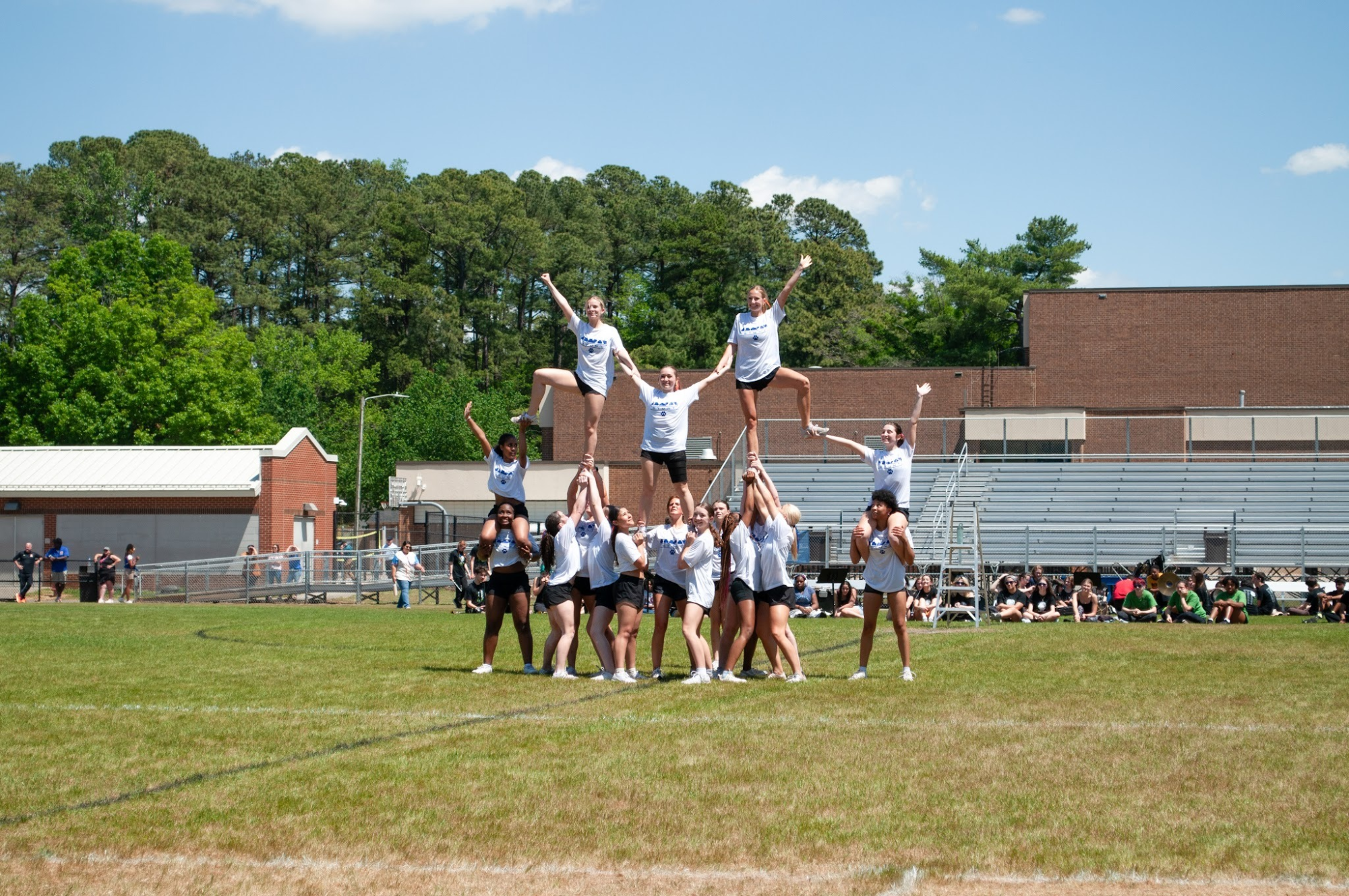
Game day for sideline cheer focuses on energy and crowd engagement, moving through chants, cheers and a fight song with basic stunts and constant motion.
The school spirit found on the sidelines provides a foundation of energy, but many athletes find their deepest sense of purpose in All-Star cheer as they prepare for the high-pressure environment of the competition stage.
“The atmosphere at competitions is unlike anything else. It’s also a moment of pride, there’s a feeling of accomplishment that’s hard to put into words,” said Lecei.
Many athletes are extremely nervous before a performance, and most of them rely solely on muscle memory during the routine.
“It’s really hard to remember afterwards because you’re just so locked in, but it’s such a happy feeling,” said Cruz.
At competitions, athletes foster community by secretly pinning decorated clothespins and “good luck” ducks with encouraging messages onto each other’s bags.
“[They] show how all the different teams are coming together with great sportsmanship and support from everyone,” said Agro.
Mat talk is essential to a routine; athletes’ cheering for teammates improves performance. Effective communication on the mat can determine a team’s ranking and is vital for preventing injuries.
“It’s just an infectious energy, and it’s addicting. You get so nervous before, but once you’re out there and you finish it, no matter what, you’re like ‘I wanna do that again’,” said O’Leary.
Advice for the Next Generation
Cheerleading demands sacrifice, but the connection makes it worthwhile. For the next generation, the message is clear: embrace every moment of the experience while it lasts.
“Just soak up every single second because it will be over before you know it,” said Maltz.
“The most important thing is to enjoy the process. Focus on having fun, growing your skills, and becoming a better version of yourself each season,” said Lecei.
Cheer is more than performance—it’s discipline, trust and identity.