
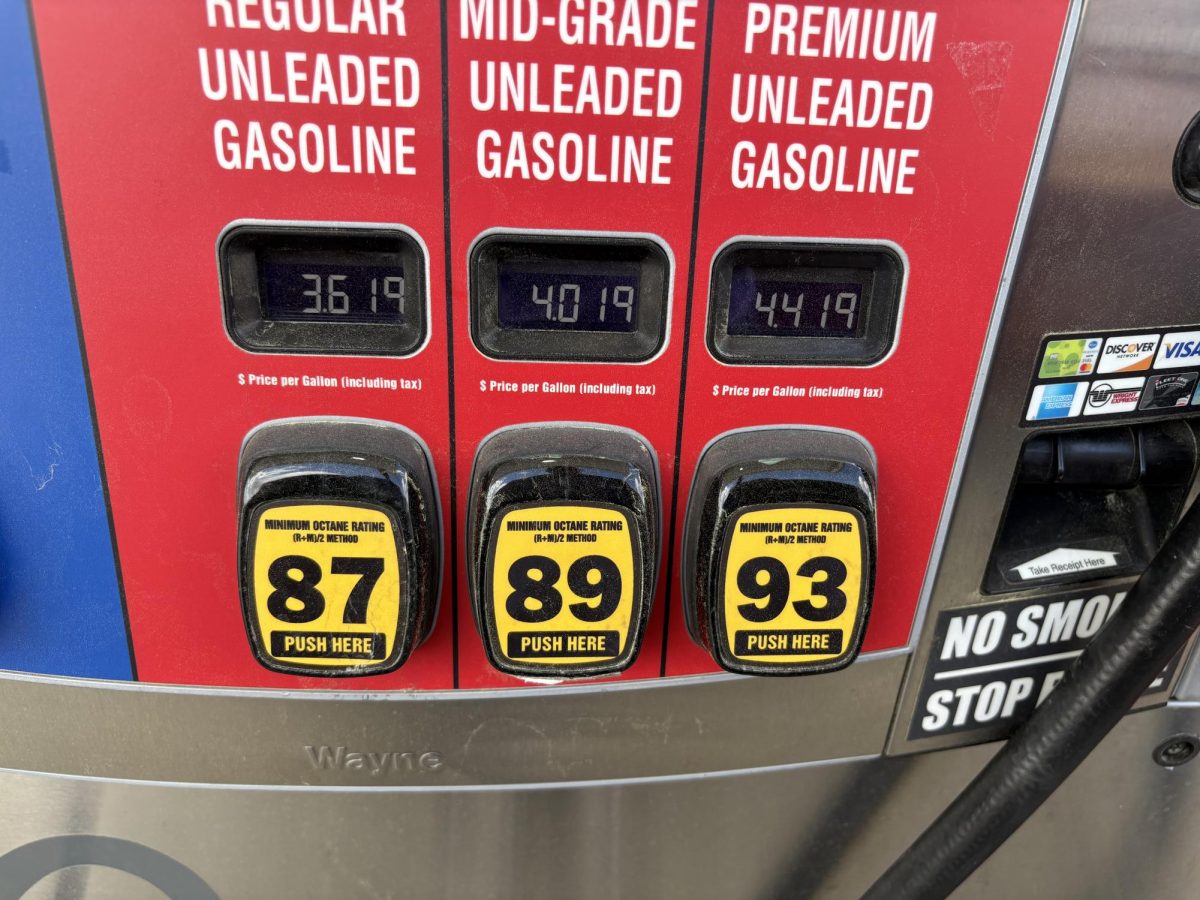
With the ongoing U.S.-Israeli-Iran conflict, Americans at home are noticing that the prices of gas are rising with no end in sight. As tensions continue to escalate overseas, oil prices, according to Reuters, have surged above $100 per barrel, driving U.S. gas prices above $4 a gallon in recent weeks.
For many Americans, this is more than just an inconvenience; it is a financial strain with no end in sight. Low-income families and those who work in the gig economy are feeling it the hardest as rising fuel prices cut deeper into what is an already tight budget.
Americans across the country are seeing unbelievable numbers at the pump, according to Triple A. The national average as of April 14 is $4.11; however, in states like California, prices between $5.89 and $7 a gallon are being faced. The constant rise in prices leaves many Americans worried about whether prices will remain or continue to drastically increase.

The Middle East, according to OPEC, has proven reserves of over 871 billion barrels of oil, producing roughly 29-31% of the world’s oil reserves. As we all know, the Middle East isn’t two hours west or a short plane ride away. In order to fuel our cars, planes, and other things, crude oil has to make its way to us via boat.
The Strait of Hormuz, otherwise known as the world’s most critical oil chokepoint, according to Morgan Stanley, could be targeted by Iran and used to retaliate or target the U.S. or Israel.
Many Americans, even those who rallied around and for the President during the election season, have spoken about the war the U.S. was dragged into and the repercussions it is having on Americans at home.
Republicans such as Marjorie Taylor Greene and Candace Owens, and even those not as notable in politics, have questioned the president’s motivation for what he promised on the campaign trail: to keep things affordable for everyday Americans.
With midterms just around the corner, Republicans are on their toes, wondering whether the war in Iran and the affordability crisis in America will cost them the Senate and the House.