

When most people hear “Ramadan,” the first thing that comes to their mind is probably not eating or drinking from sunrise to sunset. However, that’s only the surface of the holy month. Ramadan is truly about pausing the daily life we’re used to and using the month to reflect and grow as individuals, both during and after it.
“This is also a time for increased prayer, reading of the Qur’an, charity, and strengthening one’s relationship with their faith. I understand that it’s both a deeply spiritual and communal time, often ending with a celebratory holiday marking the completion of the fast,” said Emma Stoltz, economics and finance teacher at Athens Drive.
For Muslims, fasting is more than just not eating; it’s a practice of self-control that teaches awareness, especially of one’s actions. Every day, people try their best to remind themselves to slow down, think deeper about their actions, and resist habits that they’re used to, like constantly scrolling on social media. The physical fast is just the factor that helps to reinforce the real goal of learning to improve and become a better Muslim during and after the month.
“Ramadan is a month where you spiritually reset and remember who you are,” said Omar Abazid, junior at Athens Drive.

This month focuses on encouraging intentional efforts to do more good. It’s a time where individuals slow down and look at themselves and ask: “How can I be better today than I was yesterday?” That means helping in different ways, like helping a family member, giving to someone who’s in need, or being more intentional with compliments that one gives to people. This month, especially challenge Muslims to take even the smallest of actions that they usually ignore and focus on them with care.
“So I like to set goals for myself every year. If there’s a bad habit I want to get rid of, I’ll make sure to work on it in order to go into Ramadan with a clear mind. I also fast Mondays and Thursdays so that it’s not too hard when the month finally starts,” said Neimah Oyewole, a freshman at Athens Drive.
The fast, being geared to a whole month, is meant to strengthen and solidify the connection with others around the world who, unfortunately, do not have the privilege of easy access to food and water. It’s meant to make us humble and be grateful for what we are surrounded by every day.
“I would say the 30 days represent a sustained period of spiritual focus and intentional growth. A full month, or 30 days, allows enough time for reflection to move beyond something temporary and become meaningful,” said Stoltz. “It likely helps build discipline, strengthen faith, and encourage consistency in prayer and good deeds. I also imagine that committing to 30 days creates a shared experience within the community, making the spiritual journey collective rather than individual.”
Another common misconception about Ramadan is that it’s extreme and unhealthy. However, that isn’t the case because it’s meant to be from sunrise to sunset, teaching us to be more structured and intentional when we’re doing good things like giving to the needy, complimenting someone, and more. Many people outside the faith also recognize that the fast is intentional and structured, with clear exceptions for those who are sick, traveling, pregnant, elderly, or otherwise not able to fast.
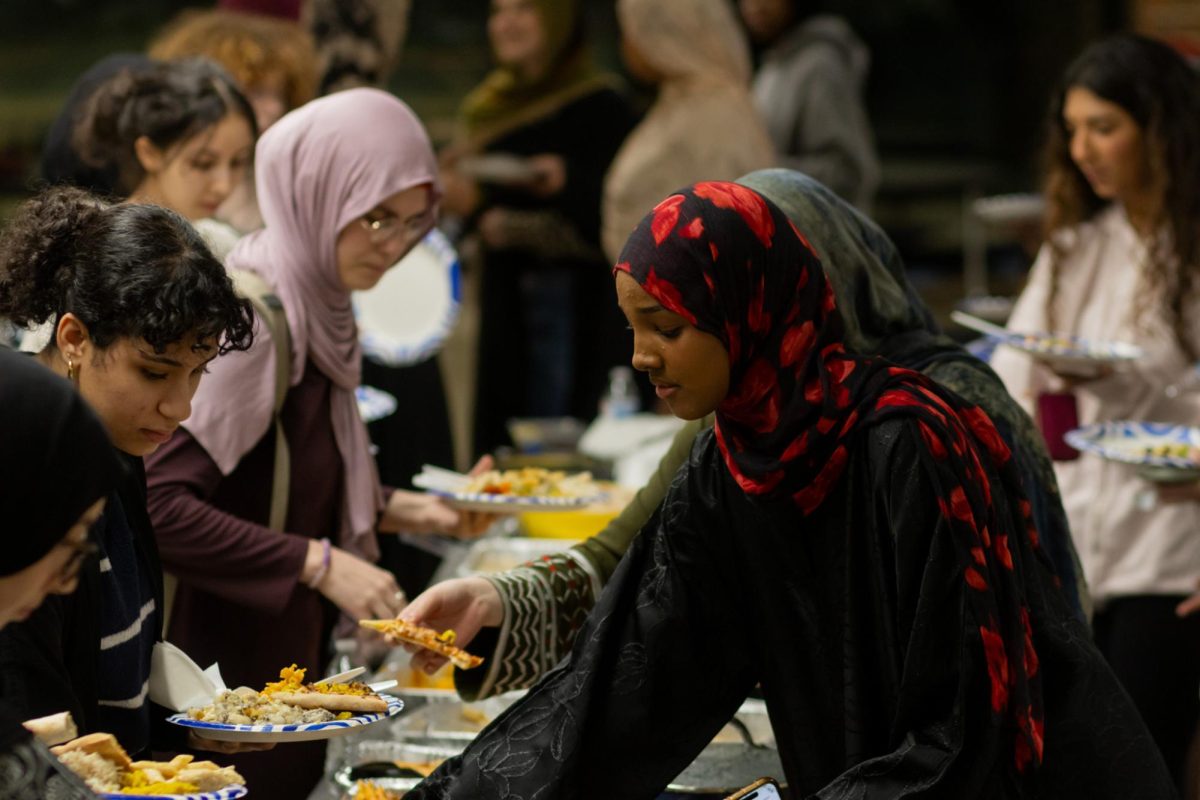
“A common misconception I have heard and seen is people not understanding that there are exceptions for sicknesses, women during their cycles, and specific reasons without it being disrespectful,” said Sarah Graham, social studies teacher at Athens Drive.
Balancing this self-improvement with school and other extracurriculars can be tough, but it’s meant to be the added challenge of the journey. Planning meals, timing prayer, and keeping up with the responsibilities teach discipline that carries on even after Ramadan. By the end of the month, many people have changed their habits, mindset, and outlook on life through a more Islamic lens.
“The main thing is to just not slack off and not procrastinate. Just get what you have to do first, and you’re able to relax later and do more during the day,” said Abazid.
Ultimately, Ramadan is more than just being hungry. It’s about the deeper parts of ourselves and remembering those who don’t have the blessing of consistent access to food and water. It’s about trying one’s best to strengthen faith and intentionally choosing to do better at all times. It may just look like a month of sacrifice from the outside, but for many Muslims, it’s a month of also growing, reflecting on one’s actions, and being able to take responsibility for oneself and change themselves after the month is over.
“Everyone is different. Everyone is trying new things. Everyone is trying to improve themselves. Of course, you want to stop bad habits, but you never want to plan a sin. Try to be a better version of yourself and keep praying,” said Oyewole.