Only a few weeks into the new year, and several funding votes have already taken place. Despite a brief government shutdown, operations resumed once the necessary votes were secured. However, these recurring budget cycles continue to fuel concerns among families about their financial stability.
“I was shocked to hear this after there was already another government shutdown at the beginning of the year,” said Lindsay Lopez-Roblero, a junior at Athens Drive.
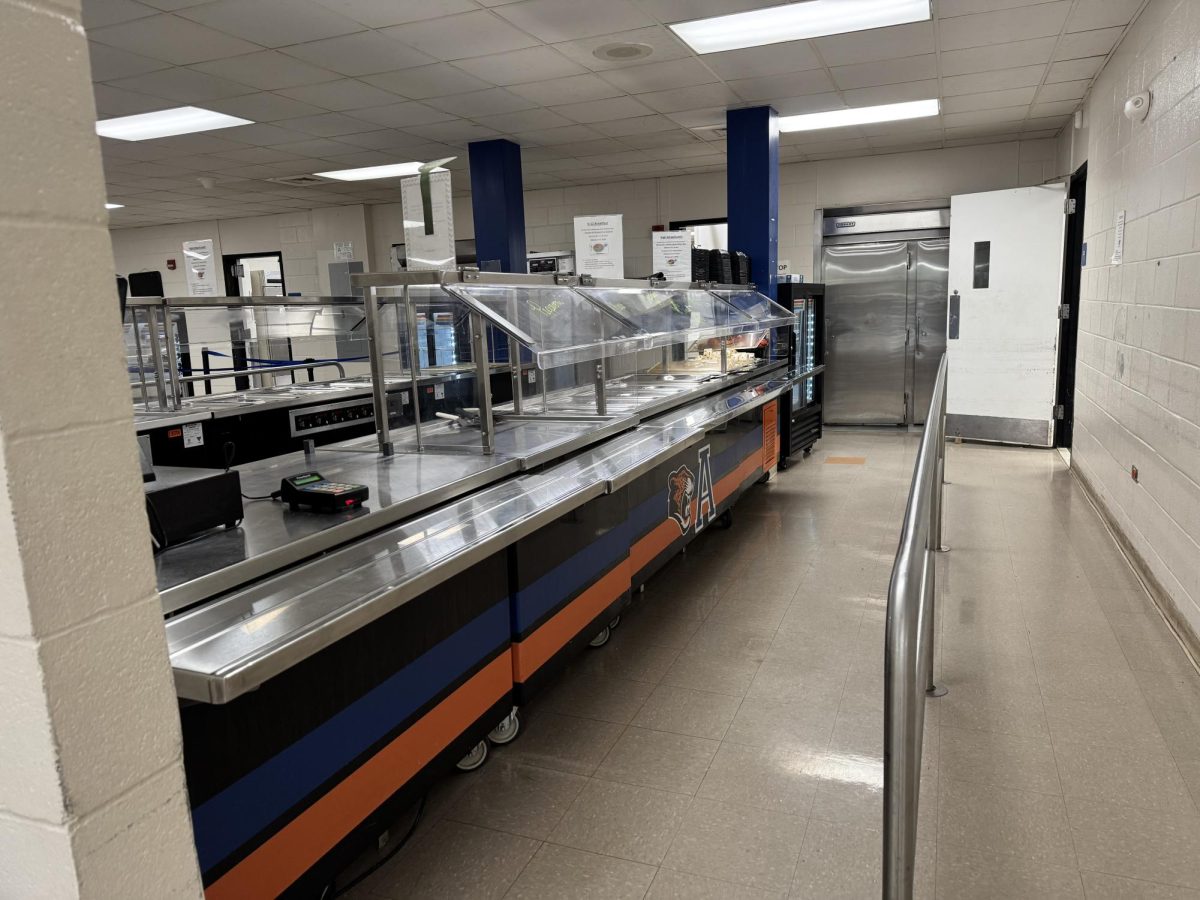
One of the first threats to people was a reduction in accessibility to food stamps, which provide a monthly allowance for groceries for families in need. This could affect students’ and families’ ability to get their monthly groceries for their everyday meals. Additionally, another source that may be affected is the Free and Reduced Lunch program, which is funded by the government and benefits students nationwide.
“The free reduced lunch meal helps students at school so they are able to eat without paying any money to get food,” said Lopez-Roblero.
These free and/or reduced-price school lunches help students get a meal if they are unable to buy one every day, taking another stress factor out of their education and helping them concentrate even more in school. These funds are very important, which is why they matter a lot to people. If this were to stop, it could affect many people across the country.
“School lunch programs ensure that students who cannot afford daily meals still receive proper nutrition, reducing stress, improving concentration in school, and fulfilling a basic responsibility that should be protected through state and federal policy,” said Serena Joan Gaddam.
In addition, due to the shutdown, these changes also include the removal of ICE (Immigration and Customs Enforcement) funding. Many people opposed the funding of ICE because of the threat it posed to people and the community, with the past months seeing students not attending school, or parents staying home out of fear for their safety.
“Many people think ICE is a good cause for the United States, but in reality, it scares the community and families. The government should not be funding these organizations that scare families and tear them apart,” said Roblero.
Now, other funds can go to other organizations that can also benefit from this money.
People question whether these decisions will affect their children’s future. These actions can have a drastic impact on future generations. When these changes occur, it can cause people to distrust their ability to pick leaders in upcoming elections. Distrust can be built for future elections, and future generations may not know who they would want to vote for.
The government shutdown indicated imbalances within the government, where one couldn’t decide what to choose. It also increases the government’s debt, as it has to pay employees afterward who were not getting paid during these few days. The government needs to be open so events like these do not occur.
“Government makes it harder to recover from the downfall of such atrocious policies and changes for further generations, such as its difficult to earn a house or even get a job in such an economic state… This creates a distrust due to the public’s distrust by demonstrating an inability of elected officials to perform basic governance, directly harming citizens through service disruptions, and damaging the nation’s economic stability,” said Gaddam.
There are many aspects to keeping a government together that cares for its citizens, but recent actions could turn the cards for future generations.
“If a government shuts down, a part of the government stops working, leading to a loss in income for the government workers, loss in regulation and policies, and many more… directly harming citizens through service disruptions, and damaging the nation’s economic stability,” said Gaddam.
Ultimately, a government shutdown is more than just a disagreement of a few votes; it can disrupt the safety nets that families rely on daily. When school lunches, food security and community are treated as bargaining chips, it affects the community. To ensure a stable future for the next generation, leaders must move beyond their recurring budget crises and prioritize the steady, reliable government so students can focus on their growth rather than survival.