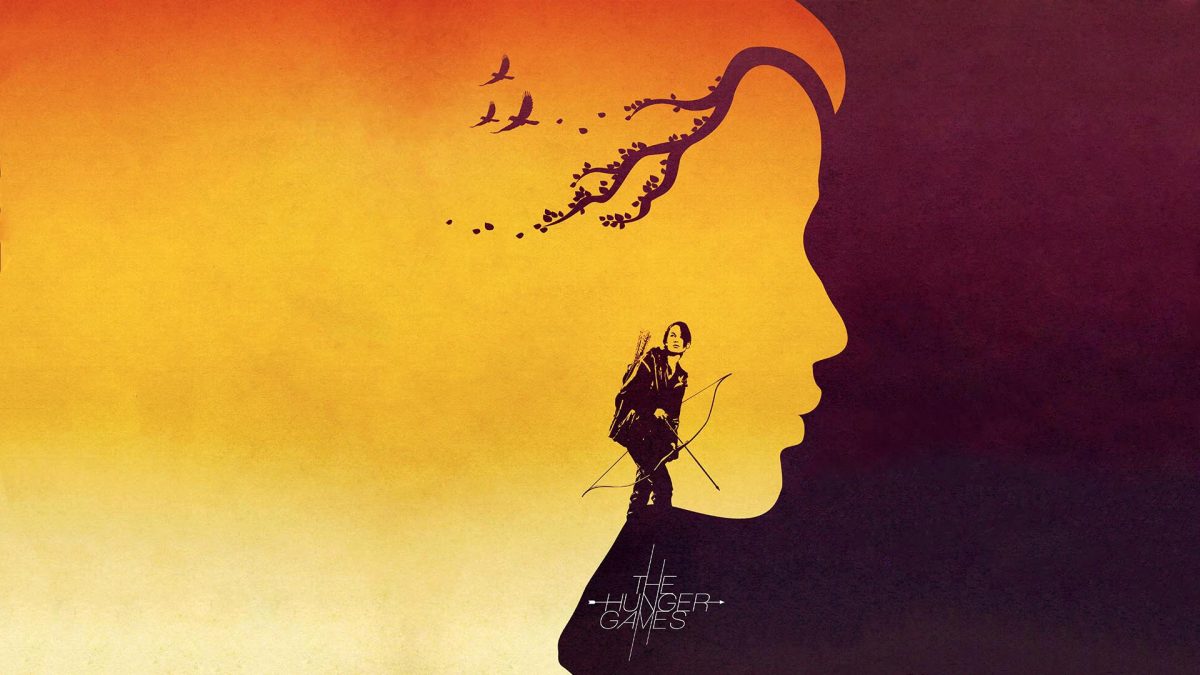
A cultural phenomenon hit American culture in 2008, and it wasn’t the recession; the release of the first “Hunger Games” book by Suzanne Collins had an immediate impact, selling more than 100 million copies worldwide. The story itself drew people in, but the similarities of the dystopian world to our own sealed the deal.
The novel follows Katniss Everdeen, a 15-year old hunter forced to provide for her family in a post-apocalyptic world where children are forced to battle one another to the death annually in the Hunger Games. The children come from 12 oppressed districts and are treated as entertainment by the uber-rich, out-of-touch Capitol citizens.
“‘The Hunger Games’ gives people an example of a government that went wrong,” Emily Schaaf, freshman and longtime fan of the books, said. “By comparing the book to the real world, we can hopefully make people aware that the government is not flawless.”
While it is difficult to relate to the situations the characters find themselves in, many people point out the similarities between the actions of the government in “The Hunger Games” and modern world governments.
“I certainly think someone like President Snow can be aligned with other leaders in the world today,” said Rachel Surles, an English teacher.
Collins herself said that she drew inspiration for the book by flipping through the channels on TV and seeing coverage on the war in Iraq playing at the same time as reality shows. Since the release of the book, the rise of social media in the current day and age has only made the disparity between glamourized content and the gritty reality of the world clearer. It becomes easy to ignore the struggles others face when an idealized world is presented through short-form content, but “The Hunger Games” insists that people not look away from the uncomfortable truth.
“I often see people comparing real-life situations to the book and using the soundtrack over videos talking about the tragedies caused by the governments around the world,” Schaaf said.
Collins’ timeless novel has continued to hold up a mirror to our own reality and help people point out and understand the many issues that plague society, specifically classism, oppression, and injustice. The book does so in an approachable way that continues to resonate with readers of all ages years later.
“The Hunger Games” is said to be a modern classic due to the strong message of confronting injustice face to face, wrapped in a touching story about survival and community.
“Books are probably one of the most powerful things in spreading ideas…” said Surles, “because if people actually sit down and read something, the connection that you have with that book because you’ve put so much effort into imagining the world is very impactful.”